
The Parable of the Mustard Seed
तोरीको गेडाको कथा
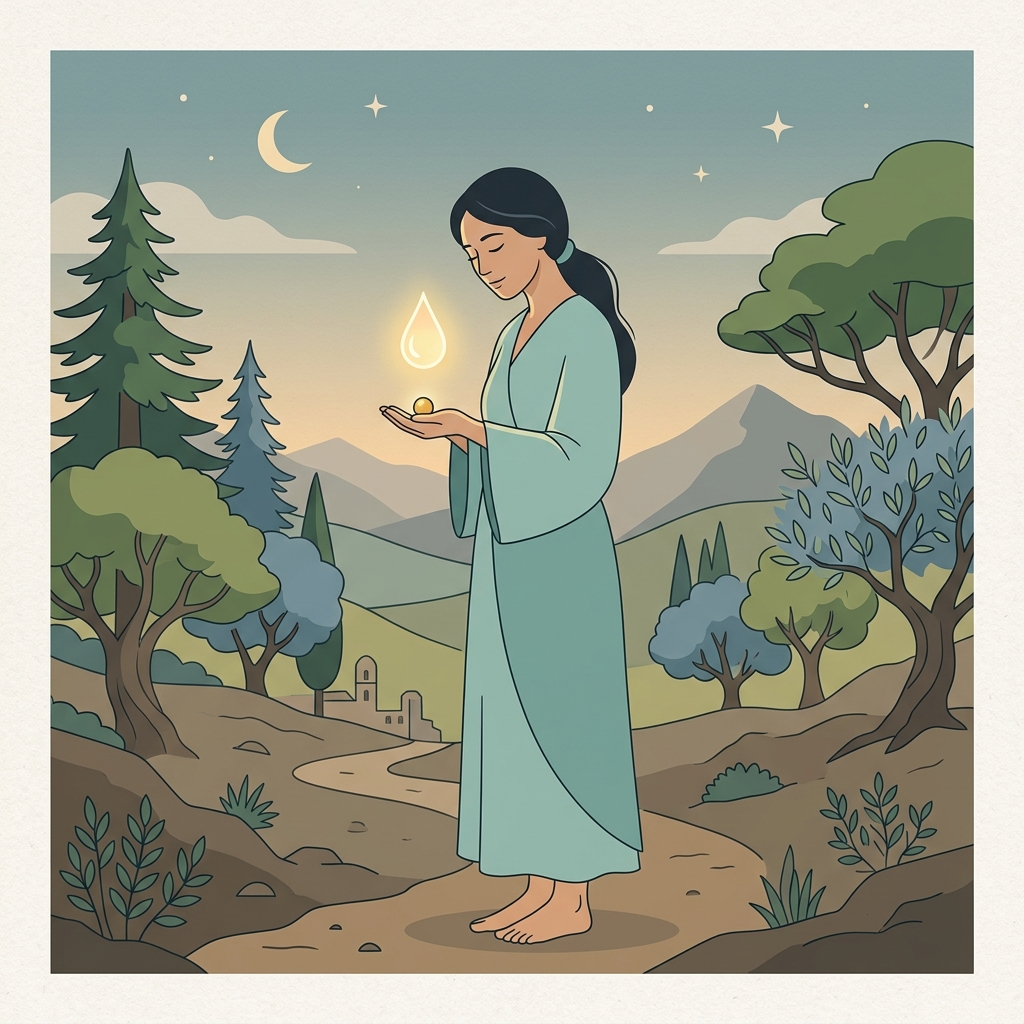
Once there was a young woman named Kisa Gotami. She had an only son, and when he was about a year old, he fell ill and died. Overwhelmed with grief, Kisa Gotami could not accept that her child was gone. She carried his lifeless body from house to house in her village, begging anyone she met for a medicine that could bring him back to life.
Many people ignored her, some laughed at her, and others thought she had gone mad. Finally, a wise man saw her and said, “I cannot give you the medicine for your child, but I know a physician who can.”
Desperate, she asked, “Who is it? Tell me!”
The man replied, “Go to the Buddha.”
Kisa Gotami hurried to the Buddha and pleaded, “Lord and Master, do you have a medicine that will cure my boy?”
The Buddha looked at her with immense compassion and said, “I know of a cure, but for it to work, you must bring me a handful of mustard seed from a house where no one has ever lost a child, husband, parent, or friend.”
Filled with hope, Kisa Gotami rushed back to the village. She went to the first house and asked for a mustard seed. The family gladly offered it to her. But then she asked, “Has anyone ever died in this house?”
The woman of the house replied, “Alas! The living are few, but the dead are many. Do not remind us of our deepest grief.”
Kisa Gotami left the seed and went to the next house, and the next. In every house she visited, she received the same answer. One person had lost a father, another a sister, another a beloved friend. Everywhere she went, she found that sorrow had visited before her.
As evening approached, Kisa Gotami sat exhausted by the side of the road. She watched the lights of the city flicker and fade into the darkness of the night. Suddenly, a profound realization washed over her. She saw that her grief had blinded her to the suffering of others. Death was not unique to her son; it was a universal truth, an inescapable part of the human condition.
She took the body of her child to the forest and gently laid him to rest.
When she returned to the Buddha, he asked, “Have you brought the mustard seed?”
“No, Lord,” she replied. “The mustard seed is no longer needed. I have understood the teaching. The living are few, the dead are many, and sorrow is the lot of all.”
The Buddha smiled gently. “You have understood the truth. All things that are born must decay. To find peace, one must let go of attachment and walk the path of wisdom.”
Kisa Gotami became a disciple of the Buddha and soon after, she achieved enlightenment.
नेपाली अनुवाद
एक समयमा किसा गौतमी नामकी एउटी युवती थिइन्। उनको एउटा मात्र छोरा थियो, र जब ऊ लगभग एक वर्षको थियो, ऊ बिरामी भयो र मर्यो। शोकले व्याकुल भएकी किसा गौतमीले आफ्नो बच्चा अब छैन भन्ने कुरा स्वीकार गर्न सकिनन्। उनले उसको निर्जीव शरीरलाई आफ्नो गाउँको घर-घरमा लगेर, आफूले भेटेका सबैसँग उसलाई बचाउन सक्ने औषधिको भीख मागिन्।
धेरै मानिसहरूले उनलाई बेवास्ता गरे, कोही उनीमाथि हाँसे, र अरूले सोचे कि उनी पागल भइसकेकी छिन्। अन्ततः, एक ज्ञानी मानिसले उनलाई देखे र भने, “म तिम्रो बच्चाको लागि औषधि दिन त सक्दिनँ, तर म एक चिकित्सकलाई चिन्छु जसले दिन सक्छ।”
निराश हुँदै, उनले सोधिन्, “को हो त्यो? मलाई भन्नुहोस्!”
ती मानिसले जवाफ दिए, “बुद्धकहाँ जाऊ।”
किसा गौतमी हतार-हतार बुद्धकहाँ गइन् र बिन्ती गरिन्, “हे भगवान्, के तपाईंसँग मेरो छोरालाई निको पार्ने औषधि छ?”
बुद्धले उनलाई गहिरो करुणाका साथ हेरे र भने, “मलाई एउटा उपचार थाहा छ, तर त्यसले काम गर्नको लागि, तिमीले मलाई यस्तो घरबाट एक मुठी तोरीको गेडा ल्याउनुपर्छ जहाँ कसैले कहिल्यै आफ्नो बच्चा, श्रीमान्, आमाबाबु, वा साथी गुमाएको छैन।”
आशाले भरिएकी किसा गौतमी हतार-हतार गाउँ फर्किन्। उनी पहिलो घरमा गइन् र तोरीको गेडा मागिन्। त्यो परिवारले खुसीसाथ उनलाई तोरी दियो। तर त्यसपछि उनले सोधिन्, “के यो घरमा कोही मरेको छ?”
त्यस घरकी महिलाले जवाफ दिइन्, “अहो! जिउँदोहरू थोरै छन्, तर मरेकाहरू धेरै छन्। हामीलाई हाम्रो गहिरो शोकको याद नदिलाऊ।”
किसा गौतमीले त्यो तोरी त्यहीँ छोडिन् र अर्को घरमा गइन्, र त्यसपछिको अर्को घरमा। उनले गएको हरेक घरमा, एउटै जवाफ पाइन्। कसैले बाबु गुमाएको थियो, कसैले दिदी, कसैले प्यारो साथी। उनी जहाँ गइन्, उनले पाइन् कि उनीभन्दा पहिले त्यहाँ शोक पुगिसकेको थियो।
साँझ पर्दै गर्दा, किसा गौतमी थकित भएर बाटोको छेउमा बसिन्। उनले सहरको बत्ती बलेको र रातको अँध्यारोमा हराएको हेरिरहिन्। अचानक, उनलाई एउटा गहिरो ज्ञान प्राप्त भयो। उनले देखिन् कि उनको शोकले उनलाई अरूको दुःखप्रति अन्धो बनाएको थियो। मृत्यु उनको छोराको लागि मात्र अद्वितीय थिएन; यो एउटा विश्वव्यापी सत्य थियो, मानव अवस्थाको एउटा अपरिहार्य अंश।
उनले आफ्नो बच्चाको शरीरलाई जंगलमा लगिन् र बिस्तारै विश्रामको लागि राखिदिइन्।
जब उनी बुद्धकहाँ फर्किन्, बुद्धले सोधे, “के तिमीले तोरीको गेडा ल्यायौ?”
“छैन भगवान्,” उनले जवाफ दिइन्। “अब तोरीको गेडाको आवश्यकता छैन। मैले शिक्षा बुझें। जीवितहरू थोरै छन्, मृतहरू धेरै छन्, र शोक सबैको भाग्यमा छ।”
बुद्ध हल्का मुस्कुराए। “तिमीले सत्य बुझेकी छौ। जन्मेका सबै कुरा नष्ट हुनैपर्छ। शान्ति पाउनको लागि, मानिसले आसक्ति छोड्नुपर्छ र ज्ञानको बाटोमा हिंड्नुपर्छ।”
किसा गौतमी बुद्धकी एक शिष्य बनिन् र केही समय पछि, उनले बुद्धत्व (निर्वाण) प्राप्त गरिन्।